Posts

What is Brain Stroke or Acute Ischemic Stroke?

Image
What is brain stroke? Brain stroke is defined as sudden development of neurological deficits due to a vascular event. The patient may have hemiparesis i.e. inability to move limbs on one side of the body. There may be inability to speak and variable degree of impairment of consciousness. The underlying cause of brain stroke is either a sudden occlusion of an intracranial vessel due to blood clot or it can be due to intracranial bleeding. That due to sudden occlusion of a vessel is known as acute ischemic stroke. (For intracranial bleeding, look up  Aneurysmal Subarachnoid haemorrhage ). Who is affected by acute ischemic stroke?& what are the causes? Brain stroke can happen at any age. But often middle aged and elderly are affected. It is often due to a blood clot migrating from diseased neck vessels like in atheromatous plaque or diseased heart as in valvular disease or atrial fibrillation. Neck vessel disease can be due to atherosclerosis. This is seen in eld...

Beetroot & Heart Health

Image
Beetroot & Benefits Beetroot   is the taproot portion of a beet plant. There are number of types of beetroots varying in colour like yellow, white, pink or dark purple. Both taproot and leaves known as beet greens of the beetroot are edible. It is also used in food colouring, as a medicinal plant and as a sugar substitute. Beetroot is packed with many essential nutrients such as Folate (vitamin B9), manganese, potassium, iron and Vitamin C, Also beetroot is a good source of fiber and low in Calories. Other than Essential Nutrients, It consists of some Plant Compounds such as Betanin, Vulgaxanthin and inorganic nitrate. Betanin is the most common strong red coloured pigment present in beetroots, whereas Vulgaxanthin is the yellow orange pigment found in dark yellow beetroots. Inorganic Nitrate  is found in generous amount in beetroots and beetroot juice. The inorganic nitrate turns into nitric oxide within the body and has many health benefits. So beetr...

Healthy foods to lose weight

Image
For most of the people to lose weight, they should chose nutrient rich food or protein and fiber rich foods which help maintaining weight. After doing many researches and experiments, the scientists concluded that few food impacts our health like in gaining or losing weight when they are incorporated with healthy diet and a good lifestyle. Mostly fruits, vegetables, nuts, yogurt and whole grains are recommended for people looking for weight loss. Sugary beverages, potato chips, red meat or processed meat promotes weight gain and obesity. Here is the guide to what you should put in your plate and the foods you should keep in your kitchen every time. Almonds  –Almond Helps Lower Your Cholesterol And Keep You Slim As These Are The Rich Source Of Mono- And Polyunsaturated Fats. They Also Carry Much Lesser Calories Than Any Other Nuts And A Rich Source Of Fiber And Vitamin E. These Are Excellent Snack With Balanced Amount Of Protein, Fiber And Healthy Fats Also Improv...

How much water should you drink per day?

Image
Our human body is built with 60% water, give or take. Our body constantly discharges water via urine and sweat. To maintain the balance and prevent dehydration, our body need adequate amount of water. The amount of water an individual should consume within a day has many different opinions. The amount of water consumption depends on individual to individual as per many factor includes internal and external which affect your water need. No any formula fit to everyone. Health Benefits of Water Water is the main component in your body and makes up 60% of your body weight. Every organ, tissue and cell needs water to function correctly. For example, water Keeps your body temperature normal Blow wastes from body through urination Lubricating joints Protects and empower sensitive tissues Lack of water leads to dehydration – a situation when the amount of water in your body goes below the normal level that leads to organ malfunction and drain your energy. Water intake affects ...

How to care your heart in winters?

Image
Winter comes with some of the major risk factors for heart diseases, respiratory diseases and highly contagious viruses. People often view the danger as hypothermia or frostbite. This dropped temperature during winter directly impacts your health and brings people of heart disease to maximum risk of heart attack or cardiac arrest. Why heart attacks cases increase in winter? Heart attacks are common in winter season. There are several theories mentioning the cause of heart attack in winter. The main risk factor is body’s physiological mechanism – In human body, we have autonomic nervous system of which one component is sympathetic nervous system whose activation increases in winter and narrow our blood vessels, and this narrowing is called vasoconstriction. This also leads to increase in the blood pressure of body. Due to the vasoconstriction, the blood flow is decreased and the heart needs to work extra hard to pump the blood and keep the body temperature maintained. The cold...

Manage CKD without dialysis

Image
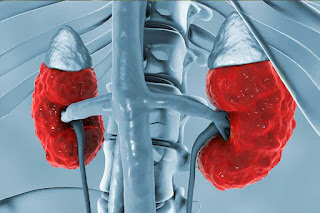
The kidney plays a vital role in the human body. Kidney filters the blood of our body and this filtration process removes toxins, waste and excess fluid from the blood. Healthy kidney also produce urine, produce hormones, control blood pressure and keep bones strong. Chronic kidney disease starts due to the various comorbidities and improper lifestyle of any person. It's a progressive disease that causes irreversible damageto kidney over time and may get worse which leads to kidney failure. A kidney friendly diet, managing health conditions such as diabetes and hypertension and avoid smoking may help your kidney function better and longer, even when you have kidney disease. There are 5 stages of Chronic Kidney Disease Stage I - Start of kidney damage Stage II - Mild decrease in kidney function Stage III - Moderate decrease in kidney function Stage IV - Severe decrease in kidney function Stage V - Kidney failure What are the major causes of CKD? Diabetes High ...

What Is Good For the Kidney Function?

Image
The kidneys are two bean shaped organs in our lower abdomen. They pass liquid body waste through urine also filters blood to keep it clean. Key functions of kidney, includes: Maintaining overall body fluid balance Circulating and filtering waste from blood Filtering waste from food and toxic substances from our body It help produce red blood cells Release hormone that regulates blood pressure Initiate Vitamin D to maintain healthy bones Keeping balance of minerals in blood Each kidney contains about 1 million of nephrons, which are responsible for the whole kidney function. They take blood vessels, filter and help pass waste through urine and send back blood to heart. The Main Risk Factors of kidney diseases are: Diabetes High Blood Pressure Genetic/ Family history of kidney disease Cardiovascular disease Here are few additional risk factors: Age 60 years or older Obesity Low birth weight Taking painkillers or nonsteroidal anti-inflammatory drugs for l...