Posts

Showing posts with the label kidney specialist in lucknow

Kidney Transplant at Apollomedics Hospitals
Image
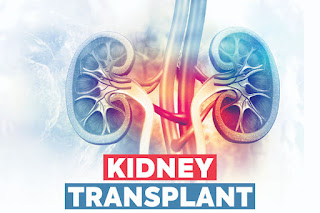
Kidney transplantation or renal transplantation is a process of transplanting a kidney to a patient with end stage kidney disease. Kidney transplantation is classified as deceased-donor or living donor transplantation depends upon the source of donor. Living-donor transplantation is further classified as genetically related or unrelated transplants, depending on the biological relationships between the donor and recipient. A kidney receiver (recipient) generally needs one kidney but in some rare cases, the patient may receive two kidneys from a deceased donor. Mostly, the infected or diseased kidneys are left at their places and a new kidney is placed in the lower abdomen. How does the kidney work? Our body only takes nutrients from the food we eat and convert it into energy. After consuming all the nutrients the wastes products are left behind in the blood and bowel. The kidneys and urinary system consume chemicals such as potassium and sodium and remove the waste ca...

Beetroot & Heart Health

Image
Beetroot & Benefits Beetroot   is the taproot portion of a beet plant. There are number of types of beetroots varying in colour like yellow, white, pink or dark purple. Both taproot and leaves known as beet greens of the beetroot are edible. It is also used in food colouring, as a medicinal plant and as a sugar substitute. Beetroot is packed with many essential nutrients such as Folate (vitamin B9), manganese, potassium, iron and Vitamin C, Also beetroot is a good source of fiber and low in Calories. Other than Essential Nutrients, It consists of some Plant Compounds such as Betanin, Vulgaxanthin and inorganic nitrate. Betanin is the most common strong red coloured pigment present in beetroots, whereas Vulgaxanthin is the yellow orange pigment found in dark yellow beetroots. Inorganic Nitrate  is found in generous amount in beetroots and beetroot juice. The inorganic nitrate turns into nitric oxide within the body and has many health benefits. So beetr...

Manage CKD without dialysis

Image
The kidney plays a vital role in the human body. Kidney filters the blood of our body and this filtration process removes toxins, waste and excess fluid from the blood. Healthy kidney also produce urine, produce hormones, control blood pressure and keep bones strong. Chronic kidney disease starts due to the various comorbidities and improper lifestyle of any person. It's a progressive disease that causes irreversible damageto kidney over time and may get worse which leads to kidney failure. A kidney friendly diet, managing health conditions such as diabetes and hypertension and avoid smoking may help your kidney function better and longer, even when you have kidney disease. There are 5 stages of Chronic Kidney Disease Stage I - Start of kidney damage Stage II - Mild decrease in kidney function Stage III - Moderate decrease in kidney function Stage IV - Severe decrease in kidney function Stage V - Kidney failure What are the major causes of CKD? Diabetes High ...

What Is Good For the Kidney Function?

Image
The kidneys are two bean shaped organs in our lower abdomen. They pass liquid body waste through urine also filters blood to keep it clean. Key functions of kidney, includes: Maintaining overall body fluid balance Circulating and filtering waste from blood Filtering waste from food and toxic substances from our body It help produce red blood cells Release hormone that regulates blood pressure Initiate Vitamin D to maintain healthy bones Keeping balance of minerals in blood Each kidney contains about 1 million of nephrons, which are responsible for the whole kidney function. They take blood vessels, filter and help pass waste through urine and send back blood to heart. The Main Risk Factors of kidney diseases are: Diabetes High Blood Pressure Genetic/ Family history of kidney disease Cardiovascular disease Here are few additional risk factors: Age 60 years or older Obesity Low birth weight Taking painkillers or nonsteroidal anti-inflammatory drugs for l...

What Is Heart Attack or Myocardial Infarction (MI)?

Image
Heart attack is a serious medical emergency which can occur due to the blockage (usually blood clot) of blood reaching to the heart. This blocked blood flow can damage heart muscle. Why Heart Attack Occurs? The Blood Supply Is Reduced Due To Slow Process (Called Ischemia)And Change In Blood Vessels Diameter Because Of The Collected Lipids Called Atherosclerosis May Cause A Heart Attack. Heart Attack Can Happen Due To Clotting Of Blood In The Blood Vessel (Artery)Supplying The Part Which May Cause Serious Damage To Heart Muscles And Can Be Life Threatening. An Embolism Can Also Be A Main Cause Of Heart Attack On Which A Broken Part Of The Clot From Somewhere Else Coming With The Blood To The Part And Blocking The Concerned Vessel Which Restrict Blood Reaching Heart. Arteriosclerosis (Hardening Of The Concerned Vessel) Isthe Depositions Of Calcium In The Vessel Wall Makes It Hard And Restrict Blood Flow. Symptoms of Heart Attack Some common heart attack sympto...

Prostate Cancer: Diagnostics & Treatment

Image
Diagnosing prostate cancer involves few tests and once it is diagnosed, multiple options available to treat and cure the disease. Once you reach urologist or uro-oncologist, they might ask to get few tests done. Tests and procedures used to diagnose prostate cancer include: Ultrasound KUB  – Simple renal ultrasound which represents the condition of kidney, ureter and bladder. This ultrasound can show the size of the kidney, kidney injury signs, abnormalities present since birth, blockage or kidney stone, complication of urinary tract infection, cysts or tumors and ureter abnormality, bladder capacity, bladder wall thickening, prostate size DRE (Digital Rectal Examination)  - Doctor consult this as the first test to perform to confirm any nodule in the prostate that could be a cancer as a regular physical examination. PSA (Prostate Specific Antigen)  – This PSA test measures the value of PSA level (0.1-4.0) in the man’s blood. If someone is a taking 5AR...

How do you know if you have a prostate cancer?

Image
Prostate is a small gland located below the bladder in men and involve in the reproductive system. Prostate cancer is the most common type of cancer in men. Generally prostate cancer grows slowly and limited to prostate gland. However, some types of cancer grow slowly and may require small treatment; few other types are aggressive and spread quickly. Early detection of prostate cancer (while it is limited to prostate gland) has a better chance of successful treatment. In most of the cases, the symptoms of prostate cancer in early stage are not visible. Symptoms of prostate cancer can differ from person to person. As a result, routinely checkup is necessary and important. Early warning signs of prostate cancer Due to the closeness of the prostate gland to bladder and urethra, early stage symptoms can be noticeable with some urinary problems. The size and location of cancer may press urethra affect urine flow. Some of the most common prostate cancer symptoms include: ...